Plant 1 · Andhra Pradesh
Proposed initial 120 TPD biomethanol facility, targeting about 39,600 tonnes per year at 330 operating days.

Developing India’s next-generation biomethanol platform for global shipping—connecting agricultural resources with lower-carbon fuel pathways.
The environmental challenge
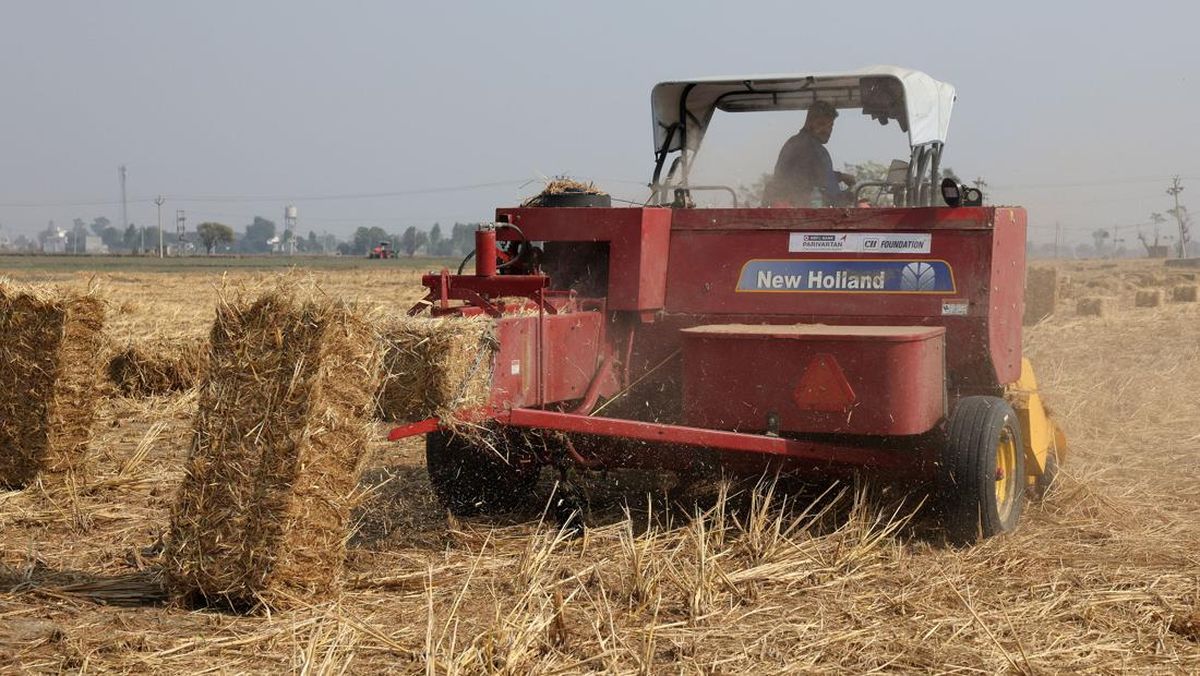
After harvest, some crop residues are burned because farmers face a short turnaround between crops and lack reliable collection, storage and end markets. Open-field burning contributes to seasonal air pollution and releases greenhouse gases.
Indus Biofuels is being developed to create a dependable industrial use for suitable residues—linking collection and aggregation with conversion into biomethanol. The goal is to make residue recovery commercially practical while respecting soil-health needs and competing uses.
A scalable platform—not just one plant
The first proposed project in Andhra Pradesh is the starting point for a broader platform. Indus Biofuels intends to evaluate additional plants in suitable agricultural regions, including potential opportunities in Punjab and Gujarat, subject to feedstock studies, logistics, permits, financing and commercial agreements.
Proposed initial 120 TPD biomethanol facility, targeting about 39,600 tonnes per year at 330 operating days.
Potential development opportunity focused on agricultural-residue availability and responsible alternatives to open-field burning.
Potential development opportunity to assess feedstock, industrial demand, port access and export logistics.
Future locations are under evaluation, not announced or committed projects. Each site will depend on its own technical and commercial feasibility.
Our vision
Indus Biofuels is planning an initial biomethanol project in Andhra Pradesh and evaluating a multi-plant platform in India. The model connects responsible agricultural-residue sourcing, farmer opportunity and the growing need for lower-carbon marine fuels.

Developing multiple plants to create a market for suitable crop residues and help address field burning.
Learn more →
A proposed 120 TPD first plant and a broader multi-plant development strategy.
Learn more →
Biomethanol produced from qualifying sustainable biomass can offer a pathway to lower lifecycle emissions. Actual performance depends on feedstock, process energy, logistics and verified lifecycle assessment.